Travis Scott
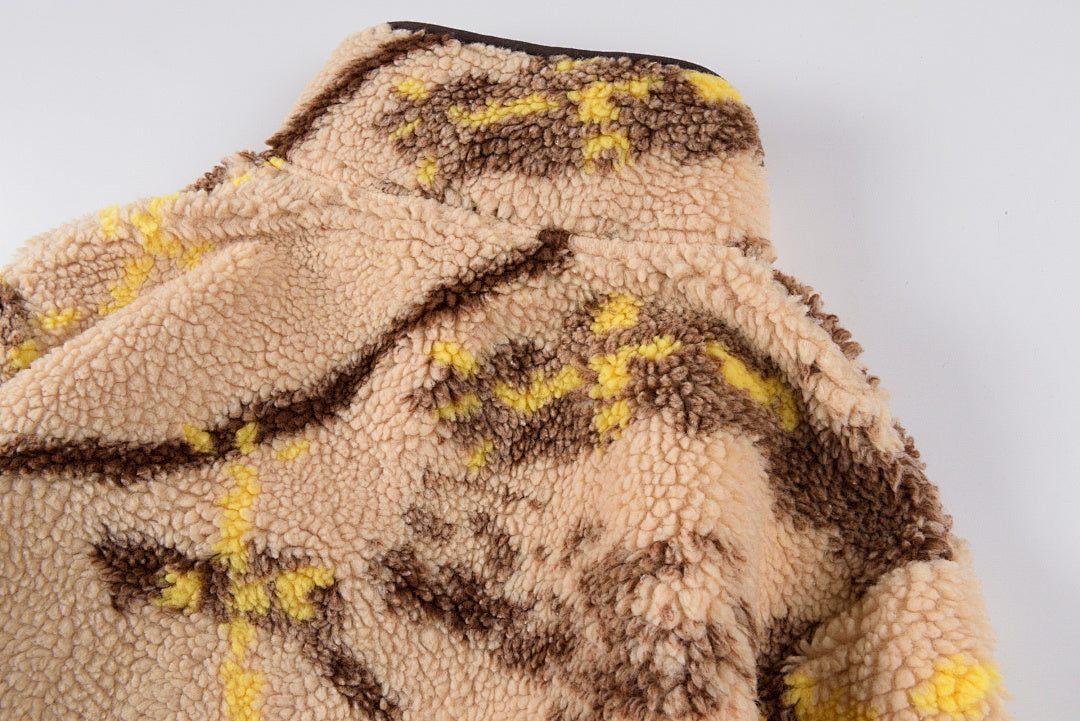
Cactus Trails “Sherpa” Zip-Up Jacket – Beige Camo
Cactus Trails “Sherpa” Zip-Up Jacket – Beige Camo
Couldn't load pickup availability
Cactus Trails “Sherpa” Zip-Up Jacket – Trails Are the Paths That Only the Ones Who Have Walked Them Know — Not the Road (the Path That Was Built for Everyone: the Surface That Was Paved So That Anyone Could Travel It Without Knowing Anything About the Land It Crosses), Not the Highway (the Path That Was Built for Speed: the Surface That Was Engineered So That the Distance Between Two Points Could Be Covered in the Least Amount of Time), But the Trail: the Path That Was Made by the Walking, the Route That Exists Because Someone Walked It Before and Left the Evidence of the Walking in the Land Itself — the Trail That Is Most Completely the Trail When It Is Most Completely the Trail That Only the Ones Who Have Walked It Know, the Path That Is Not on the Map Because the Map Was Made for the Roads and the Highways and Not for the Trails That the Explorers Made by Walking Through the Places Where No Road Had Been Built Yet. Cactus Trails: the Trails That the Cactus Marks — In the Desert, Where There Are No Roads and No Signs and No Maps That Show the Way, the Cactus Is the Landmark, the Navigation Point, the Thing That Tells the One Who Knows How to Read the Desert Where They Are and Which Way They Should Go — the Cactus That Is Most Completely the Cactus When It Is Most Completely the Cactus That Is the Landmark in the Place Where All Other Landmarks Are Absent, the Plant That Marks the Trail in the Place Where the Trail Has No Other Markers. Cactus Trails: the Paths Through the Desert That the Cactus Marks, the Routes That Only the Ones Who Know How to Read the Desert Can Follow, the Trails That Are Most Completely the Trails When They Are Most Completely the Trails That Lead Through the Place Where the Cactus Thrives and the Road Has Never Been Built. Sherpa Is the Name of the Ones Who Know the Mountain — Not the Climber (the One Who Comes to the Mountain From Outside: the One Who Has Trained for the Climb and Has the Equipment for the Climb but Does Not Know the Mountain the Way the Sherpa Knows the Mountain), Not the Guide (the One Who Has Been to the Mountain Before and Can Show the Way but Does Not Live on the Mountain the Way the Sherpa Lives on the Mountain), But the Sherpa: the People of the High Himalaya, the Ones Who Were Born on the Mountain and Have Lived on the Mountain and Know the Mountain the Way the Mountain Knows Itself — the Sherpa Who Are Most Completely the Sherpa When They Are Most Completely the Sherpa Who Have Guided the Climbers to the Summit of Everest Not Because the Sherpa Needed to Climb Everest but Because the Climbers Needed the Sherpa to Know the Way. Sherpa Fabric: the Material Named After the Ones Who Know the Mountain — the Fabric That Has the Warmth That the High Himalaya Requires, the Texture That Is Most Completely the Texture When It Is Most Completely the Texture That Can Keep the Body Warm in the Conditions That the Mountain Creates — the Sherpa Fabric That Is Most Completely the Sherpa Fabric When It Is Most Completely the Fabric That Has the Softness of the Fleece and the Warmth of the High Altitude and the Name of the People Who Have Always Known How to Survive Where the Cold Is Most Complete. Cactus Trails + Sherpa: the Most Complete Extreme-Environment Statement — Cactus Trails (the Desert: the Hottest Extreme, the Place Where the Heat Is Most Complete, the Environment Where the Cactus Thrives) + Sherpa (the Mountain: the Coldest Extreme, the Place Where the Cold Is Most Complete, the Environment Where the Sherpa Thrives) — the Two Most Extreme Environments Together on the Same Jacket: the Desert and the Mountain, the Heat and the Cold, the Cactus and the Sherpa — the Most Complete Survival Statement That Streetwear Has Ever Made: the Jacket That Carries the Philosophy of Both the Desert Survivor and the Mountain Guide, the Outerwear That Is Most Completely the Outerwear When It Is Most Completely the Outerwear That Has Decided That No Environment Is Too Extreme. Beige Is the Color of the Desert Camouflage — Not the Green Camouflage (the Pattern That Hides in the Forest: the Colors of the Leaves and the Grass and the Undergrowth That the Forest Has), Not the Urban Camouflage (the Pattern That Hides in the City: the Colors of the Concrete and the Asphalt and the Shadow That the City Has), But the Beige Camouflage: the Pattern That Hides in the Desert, the Colors of the Sand and the Dust and the Dry Earth That the Desert Has — the Beige That Is Most Completely the Beige When It Is Most Completely the Beige That Is the Color of the Desert Sand, the Color That Disappears Into the Desert the Way the Cactus Trails Disappear Into the Desert When the One Who Does Not Know How to Read the Desert Is Looking for Them.
The Cactus Trails Sherpa zip-up jacket in beige camo is the specific garment that the identity has built to carry the most extreme-environment-complete statement the identity has ever made — cactus trails (the trails that the cactus marks: trails, the paths that only the ones who have walked them know — not the road built for everyone, not the highway built for speed, but the trail: the path made by the walking, the route that exists because someone walked it before and left the evidence of the walking in the land itself — the trail that only the ones who have walked it know, the path that is not on the map because the map was made for the roads and not for the trails the explorers made by walking through the places where no road had been built yet; and cactus, the landmark of the desert: in the desert where there are no roads and no signs and no maps, the cactus is the navigation point, the thing that tells the one who knows how to read the desert where they are and which way to go — cactus trails: the paths through the desert that the cactus marks, the routes that only the ones who know how to read the desert can follow) and sherpa (the name of the ones who know the mountain: not the climber who comes from outside, not the guide who has been before, but the sherpa — the people of the high himalaya, born on the mountain, living on the mountain, knowing the mountain the way the mountain knows itself — sherpa fabric: the material named after the ones who know the mountain, the fabric that has the warmth the high himalaya requires, the softness of the fleece and the warmth of the high altitude and the name of the people who have always known how to survive where the cold is most complete) and cactus trails + sherpa together (the most complete extreme-environment statement: cactus trails, the desert, the hottest extreme + sherpa, the mountain, the coldest extreme — the two most extreme environments together on the same jacket, the desert and the mountain, the heat and the cold, the cactus and the sherpa — the jacket that carries the philosophy of both the desert survivor and the mountain guide, the outerwear that has decided no environment is too extreme) and beige camo (the color of the desert camouflage: not the green camo that hides in the forest, not the urban camo that hides in the city, but the beige camo — the pattern that hides in the desert, the colors of the sand and the dust and the dry earth, the beige that disappears into the desert the way the cactus trails disappear into the desert when the one who does not know how to read the desert is looking for them). The full zip-up construction is the access that the trail requires — zip open for the warmth of the desert, zip closed for the cold of the mountain: the construction that responds to the environment the way the cactus and the sherpa both respond to their environments — by adapting, by knowing what the conditions require, by being most completely the jacket when the jacket is most completely the jacket that can be fully open or fully closed depending on what the trail demands. Trails are the paths that only the ones who have walked them know. Cactus marks the trail in the desert. Sherpa knows the mountain. Beige camo disappears into the desert. The zip-up opens for the desert and closes for the mountain. The most extreme-environment-complete streetwear jacket: the desert and the mountain, the heat and the cold, the cactus and the sherpa, together.
Why You’ll Love It
- ✦ Cactus Trails — the paths through the desert that the cactus marks — trails (the paths that only the ones who have walked them know: not the road built for everyone, not the highway built for speed, but the trail — the path made by the walking, the route that exists because someone walked it before) + cactus (the landmark of the desert: the navigation point in the place where there are no roads, no signs, no maps) — the most desert-navigation-complete Cactus Jack statement: the trails that only the ones who know how to read the desert can follow
- ✦ Sherpa — the name of the ones who know the mountain — not the climber who comes from outside, not the guide who has been before, but the sherpa: the people of the high himalaya, born on the mountain, knowing the mountain the way the mountain knows itself — sherpa fabric: the material named after the ones who know the mountain, the warmth of the high himalaya in the softness of the fleece — the most mountain-complete Cactus Trails fabric: the warmth that the coldest extreme requires
- ✦ Cactus Trails + Sherpa — the desert and the mountain together — cactus trails (the desert: the hottest extreme, the place where the heat is most complete) + sherpa (the mountain: the coldest extreme, the place where the cold is most complete) — the most extreme-environment-complete statement that streetwear has ever made: the two most extreme environments together on the same jacket, the jacket that has decided no environment is too extreme
- ✦ The Desert and the Mountain — the Heat and the Cold — the cactus (the desert survivor: thrives where nothing else survives in the heat) + the sherpa (the mountain guide: thrives where nothing else survives in the cold) — the most survival-complete Cactus Trails statement: the jacket that carries the philosophy of both the desert survivor and the mountain guide
- ✦ Beige Camo — the color that disappears into the desert — not the green camo (hides in the forest), not the urban camo (hides in the city), but beige camo: the pattern that hides in the desert, the colors of the sand and the dust and the dry earth — the most desert-complete Cactus Trails colorway: the beige that disappears into the desert the way the cactus trails disappear into the desert when the one who does not know how to read the desert is looking for them
- ✦ Beige — the color of the desert sand — the color of the soil the cactus grows in, the sand the desert is made of, the dust the trail leaves behind — the most earth-complete Cactus Trails color: the color that is most completely the color of the desert, the color that the desert has always been
- ✦ Full Zip-Up — the access that the trail requires — zip open for the warmth of the desert, zip closed for the cold of the mountain: the construction that responds to the environment the way the cactus and the sherpa both respond to their environments — by adapting, by knowing what the conditions require — the most environment-responsive Cactus Trails construction: fully open or fully closed depending on what the trail demands
- ✦ Plush Sherpa Texture — ultra-soft, ultra-warm — the fabric that has the softness of the fleece and the warmth of the high altitude: the texture that is most completely the texture when it is most completely the texture that can keep the body warm in the conditions that the mountain creates — the most comfort-complete Cactus Trails fabric: the sherpa that is most alive when the cold is most complete
- ✦ Cactus Trails vs Desert Plaid — two Cactus Jack philosophies — desert plaid (the shirt jacket: the pattern of the western frontier, the brown of the earth, the construction that can be both open and buttoned) vs cactus trails sherpa (the zip-up: the fabric of the mountain guide, the beige camo of the desert, the construction that responds to the extreme) — two ways to carry the cactus jack identity, two extreme environments on two different garments
- ✦ True-to-size fit — available in S, M, L, XL
Product Details
- Style: Cactus Trails “Sherpa” Zip-Up Jacket
- Color: Beige (Camo-Inspired)
- Fabric: Sherpa / Plush Fleece
- Construction: Full Zip-Up
- Sizes: S – XL
- Category: Cactus Trails Sherpa Zip Up Jacket Beige Camo Trails Paths Only Ones Who Walked Them Know Not Road Built Everyone Not Highway Built Speed But Trail Path Made By Walking Route Exists Because Someone Walked Before Left Evidence Walking Land Itself Trail Most Completely Trail When Most Completely Trail Only Ones Who Walked It Know Path Not On Map Because Map Made For Roads Not Trails Explorers Made Walking Through Places Where No Road Built Yet Cactus Trails Trails Cactus Marks Desert Where No Roads No Signs No Maps Cactus Landmark Navigation Point Thing Tells One Who Knows How Read Desert Where They Are Which Way Should Go Cactus Most Completely Cactus When Most Completely Cactus Landmark Place Where All Other Landmarks Absent Plant Marks Trail Place Where Trail Has No Other Markers Cactus Trails Paths Through Desert Cactus Marks Routes Only Ones Who Know How Read Desert Can Follow Trails Most Completely Trails When Most Completely Trails Lead Through Place Where Cactus Thrives Road Never Been Built Sherpa Name Ones Who Know Mountain Not Climber Comes Mountain Outside Not Guide Been Before But Sherpa People High Himalaya Born Mountain Living Mountain Knowing Mountain Way Mountain Knows Itself Sherpa Fabric Material Named After Ones Who Know Mountain Fabric Has Warmth High Himalaya Requires Texture Most Completely Texture When Most Completely Texture Can Keep Body Warm Conditions Mountain Creates Sherpa Fabric Most Completely Sherpa Fabric When Most Completely Fabric Has Softness Fleece Warmth High Altitude Name People Always Known How Survive Where Cold Most Complete Cactus Trails Sherpa Most Complete Extreme Environment Statement Cactus Trails Desert Hottest Extreme Place Where Heat Most Complete Environment Where Cactus Thrives Sherpa Mountain Coldest Extreme Place Where Cold Most Complete Environment Where Sherpa Thrives Two Most Extreme Environments Together Same Jacket Desert Mountain Heat Cold Cactus Sherpa Most Complete Survival Statement Streetwear Ever Made Jacket Carries Philosophy Both Desert Survivor Mountain Guide Outerwear Most Completely Outerwear When Most Completely Outerwear Decided No Environment Too Extreme Beige Color Desert Camouflage Not Green Camouflage Pattern Hides Forest Colors Leaves Grass Undergrowth Forest Has Not Urban Camouflage Pattern Hides City Colors Concrete Asphalt Shadow City Has But Beige Camouflage Pattern Hides Desert Colors Sand Dust Dry Earth Desert Has Beige Most Completely Beige When Most Completely Beige Color Desert Sand Color Disappears Into Desert Way Cactus Trails Disappear Into Desert When One Does Not Know How Read Desert Looking For Them Full Zip Up Access Trail Requires Zip Open Warmth Desert Zip Closed Cold Mountain Construction Responds Environment Way Cactus Sherpa Both Respond Environments Adapting Knowing What Conditions Require Being Most Completely Jacket When Jacket Most Completely Jacket Can Be Fully Open Fully Closed Depending What Trail Demands Streetwear Outerwear Jacket
Note: Cactus Trails — the trails that the cactus marks: the paths through the desert that only the ones who know how to read the desert can follow. Sherpa: the name of the ones who know the mountain — the fabric named after the people of the high himalaya, the warmth of the high altitude in the softness of the fleece. Cactus Trails + Sherpa: the desert and the mountain together, the hottest extreme and the coldest extreme on the same jacket — the jacket that has decided no environment is too extreme. Beige camo: the color that disappears into the desert. Full zip-up: open for the desert, closed for the mountain. Please refer to product photos for the most accurate representation.
Share